Rotten Column Replacement in Seattle, WA
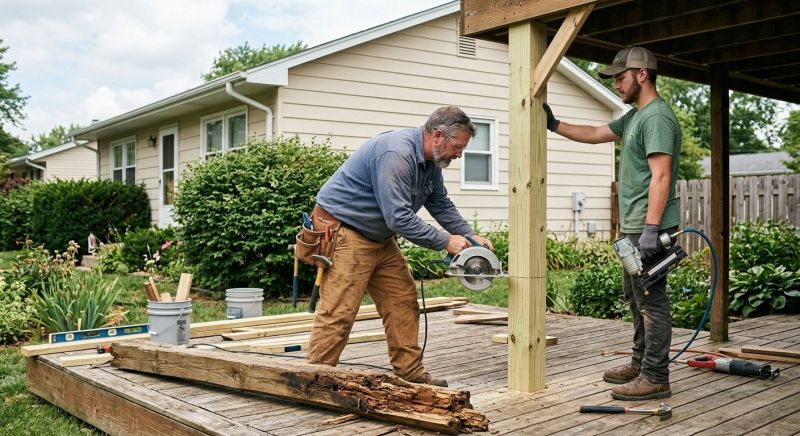
Rotten column replacement services involve removing and replacing damaged or deteriorated support columns that are essential for the stability of a property’s structure. This type of project is commonly requested when a column shows signs of rot, decay, or structural weakness, which can occur due to moisture exposure, age, or previous damage. Property owners typically seek this service to restore safety and stability to porches, decks, stairs, or other load-bearing structures, ensuring the integrity of the building remains intact.
Before requesting rotten column replacement, property owners usually want to understand the extent of the damage and the best approach for replacement. It is important to consider the type of material used for the new column, the impact on existing structures, and any necessary permits or inspections required by local regulations. Clear communication about the scope of work and the condition of surrounding elements can help ensure the project proceeds smoothly and results in a durable, long-lasting support system.
Many property owners in Seattle, WA look into Rotten Column Replacement for repairs, replacements, upgrades, and appearance-related improvements.
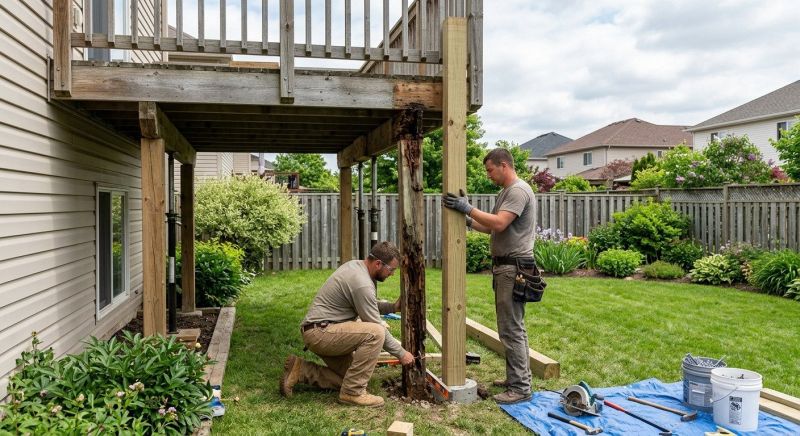
Understanding Rotten Columns
Rotten columns can compromise the safety and stability of your property structure.
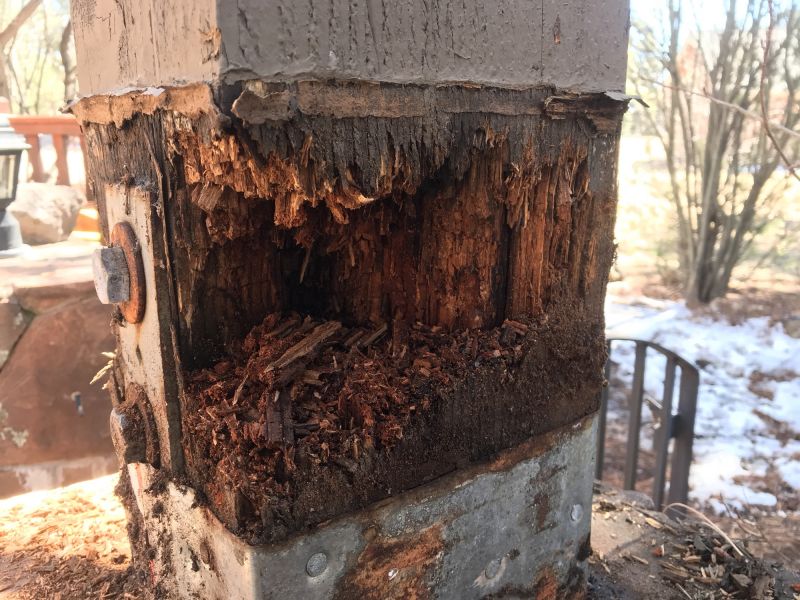
Signs You Need Replacement
Visible decay, cracks, or sagging are common indicators that a column may require replacement.
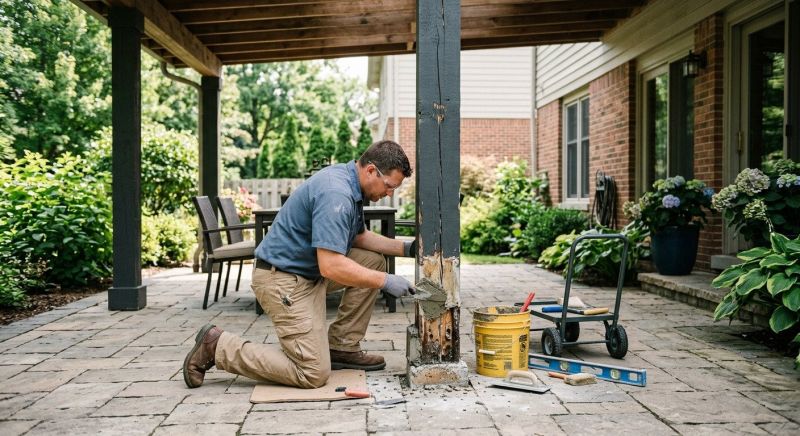
Benefits Of Replacement
Replacing damaged columns enhances safety, improves appearance, and maintains property value in seattle homes.
Rotten Column Replacement in Seattle, WA

Rotten column replacement services involve removing and replacing damaged or deteriorated support columns that are essential for the stability of a property’s structure. This type of project is commonly requested when a column shows signs of rot, decay, or structural weakness, which can occur due to moisture exposure, age, or previous damage. Property owners typically seek this service to restore safety and stability to porches, decks, stairs, or other load-bearing structures, ensuring the integrity of the building remains intact.
Before requesting rotten column replacement, property owners usually want to understand the extent of the damage and the best approach for replacement. It is important to consider the type of material used for the new column, the impact on existing structures, and any necessary permits or inspections required by local regulations. Clear communication about the scope of work and the condition of surrounding elements can help ensure the project proceeds smoothly and results in a durable, long-lasting support system.
Many property owners in Seattle, WA look into Rotten Column Replacement for repairs, replacements, upgrades, and appearance-related improvements.
Common Rotten Column Replacement Jobs
Rotten Column Replacement - involves removing and replacing damaged or deteriorated support columns.
Foundation support - restores stability to structures by replacing compromised columns.
Structural reinforcement - improves safety and durability of building frameworks.
Concrete column replacement - involves removing old concrete supports and installing new ones.
Post and pier replacement - updates aging supports to meet current building standards.
Basement and crawl space support - provides essential reinforcement for below-grade structures.
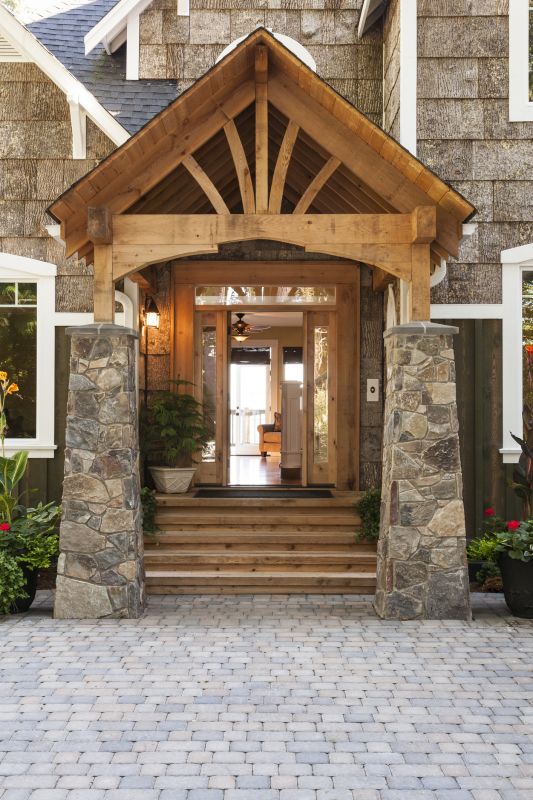
Rotten Column Replacement Questions
What causes a column to rot? Moisture exposure, wood decay, and prolonged weathering can lead to rot in columns.
How do I know if a column needs replacement? Signs include visible decay, crumbling wood, or instability when touched.
Can rotten columns affect the structure? Yes, compromised columns can weaken the support of a building or porch.
What materials are used for replacement columns? Common options include treated wood, composite materials, or fiber-reinforced options for durability.
Request Rotten Column Replacement in Seattle, WA
Use the quote form on this page to share the basics of your project and request more information for the type of work you need.