Subfloor Installation in Wilmington, NC
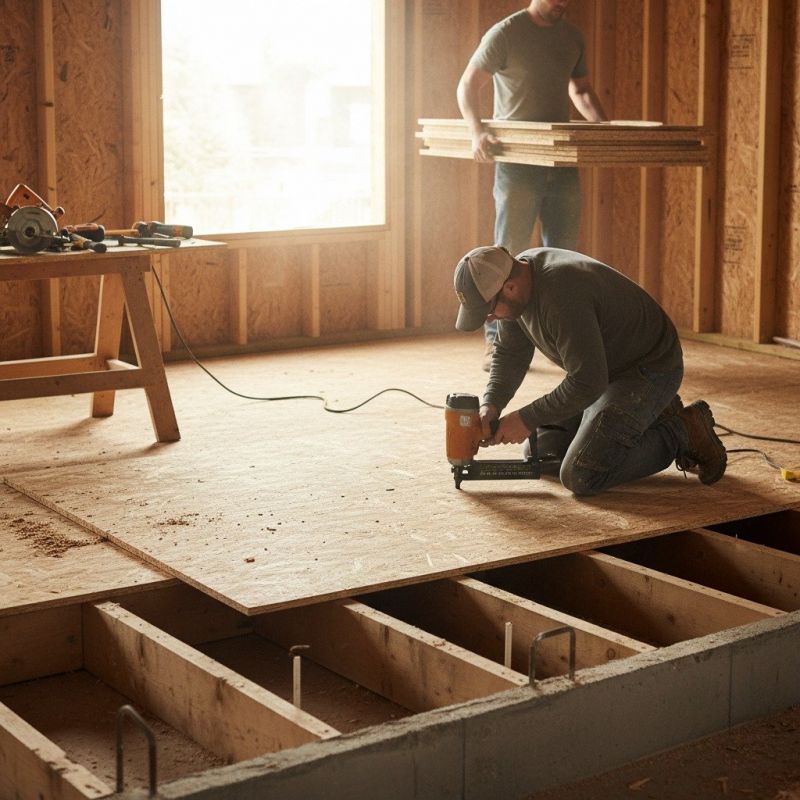
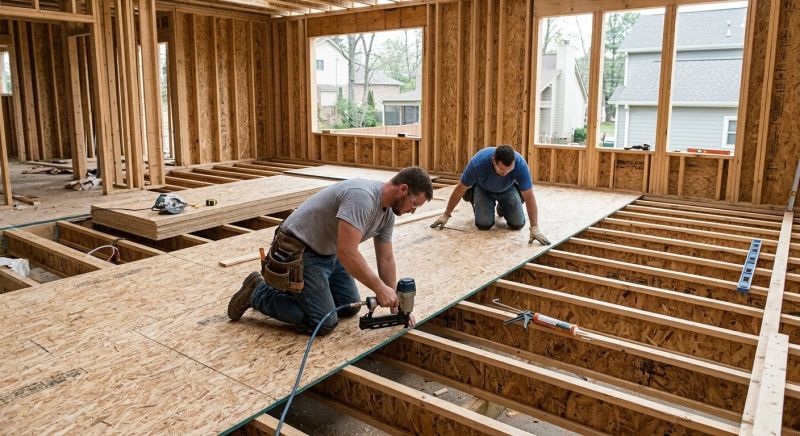
Subfloor installation involves preparing and installing the foundational layer beneath a finished floor, providing stability and support for various flooring types such as hardwood, tile, laminate, or carpet. This service is essential for ensuring a level surface, correcting uneven or damaged existing subfloors, and creating a solid base that enhances the durability and appearance of the final flooring. Projects may include new construction, remodeling, or repair work where the existing subfloor needs replacement or reinforcement to meet the demands of the chosen flooring material.
Homeowners typically want to understand the scope of subfloor installation, including the types of materials used and how the process can improve the longevity of their flooring. It's important to consider factors such as moisture levels, existing floor conditions, and the specific requirements of the new flooring to ensure proper installation. Clarifying these details can help property owners make informed decisions and achieve a stable, even surface that supports their flooring investment for years to come.
Many property owners in Wilmington, NC look into Subfloor Installation for repairs, replacements, upgrades, and appearance-related improvements.
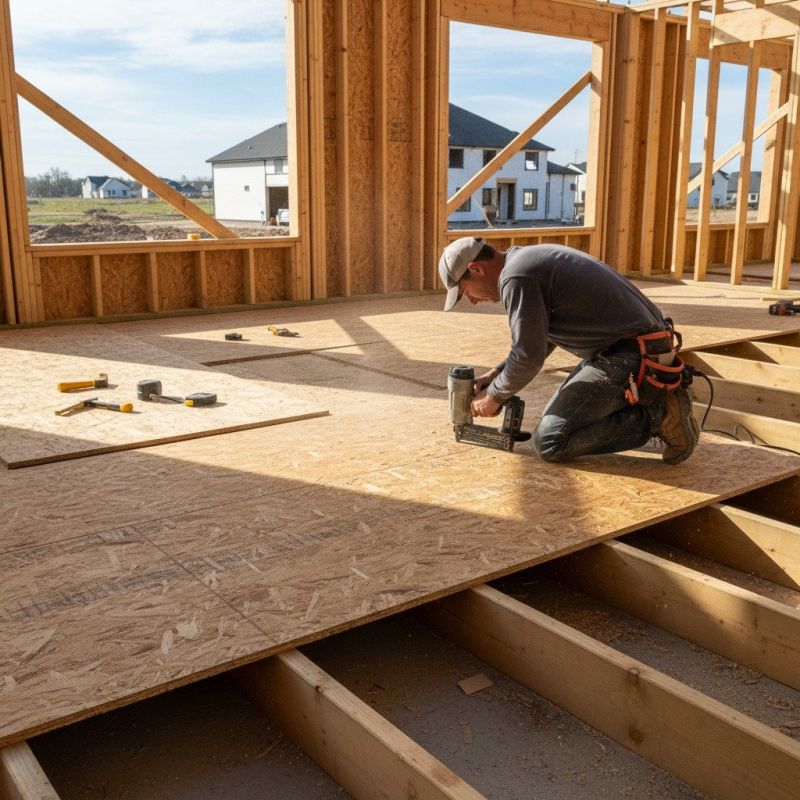
Subfloor Repair And Replacement
Restoring or replacing damaged subfloors to ensure a stable foundation for your flooring.
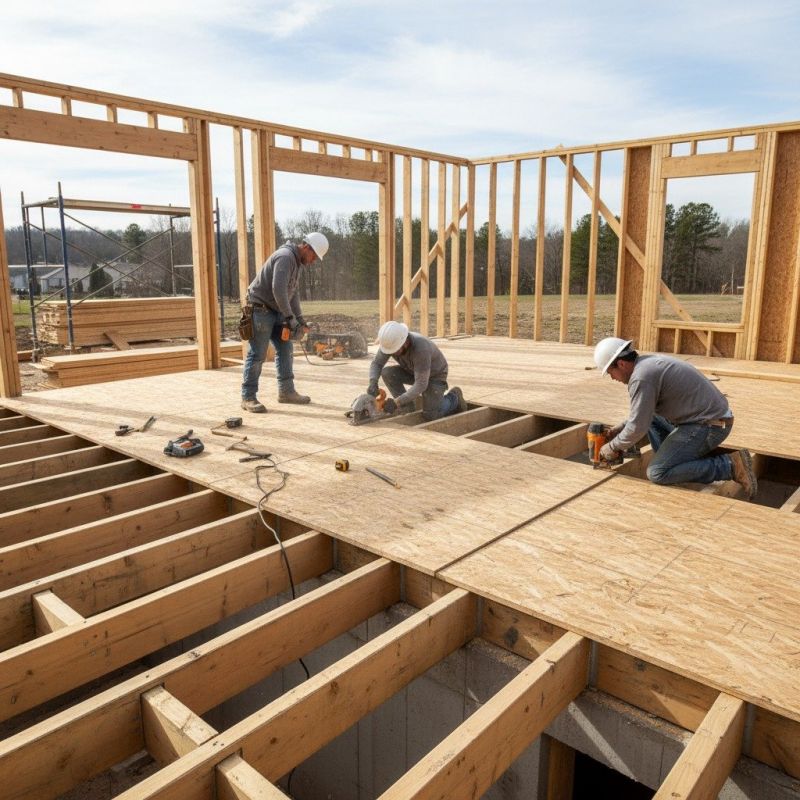
Subfloor Leveling And Preparation
Ensuring the subfloor is even and properly prepared for the installation of new flooring materials.
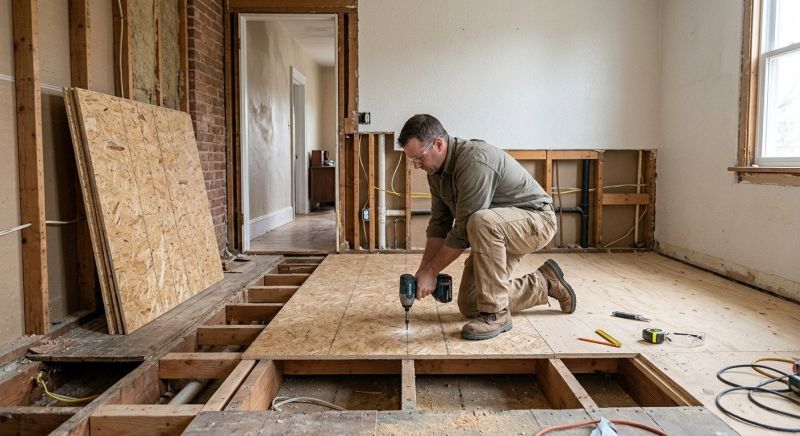
Subfloor Material Options
Choosing the right subfloor materials to match the needs of your home and flooring type in wilmington, nc.
Subfloor Installation in Wilmington, NC
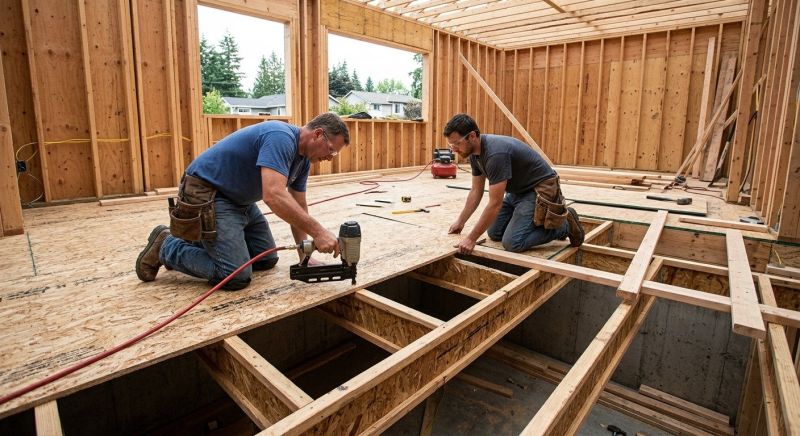
Subfloor installation involves preparing and installing the foundational layer beneath a finished floor, providing stability and support for various flooring types such as hardwood, tile, laminate, or carpet. This service is essential for ensuring a level surface, correcting uneven or damaged existing subfloors, and creating a solid base that enhances the durability and appearance of the final flooring. Projects may include new construction, remodeling, or repair work where the existing subfloor needs replacement or reinforcement to meet the demands of the chosen flooring material.
Homeowners typically want to understand the scope of subfloor installation, including the types of materials used and how the process can improve the longevity of their flooring. It's important to consider factors such as moisture levels, existing floor conditions, and the specific requirements of the new flooring to ensure proper installation. Clarifying these details can help property owners make informed decisions and achieve a stable, even surface that supports their flooring investment for years to come.
Many property owners in Wilmington, NC look into Subfloor Installation for repairs, replacements, upgrades, and appearance-related improvements.
Common Subfloor Installation Jobs
Subfloor Installation - Provides a stable base for flooring materials in residential and commercial properties.
Subfloor Repair - Addresses issues like sagging, squeaking, or water damage to restore floor integrity.
Subfloor Replacement - Removes damaged or rotted subfloor sections to ensure a solid foundation.
Moisture Barrier Installation - Prevents moisture from seeping into the subfloor, reducing mold and wood rot risks.
Leveling Subfloors - Corrects uneven surfaces to create a smooth, even surface for new flooring.
Soundproofing Subfloors - Adds insulation to reduce noise transmission between floors.
Subfloor Installation Questions
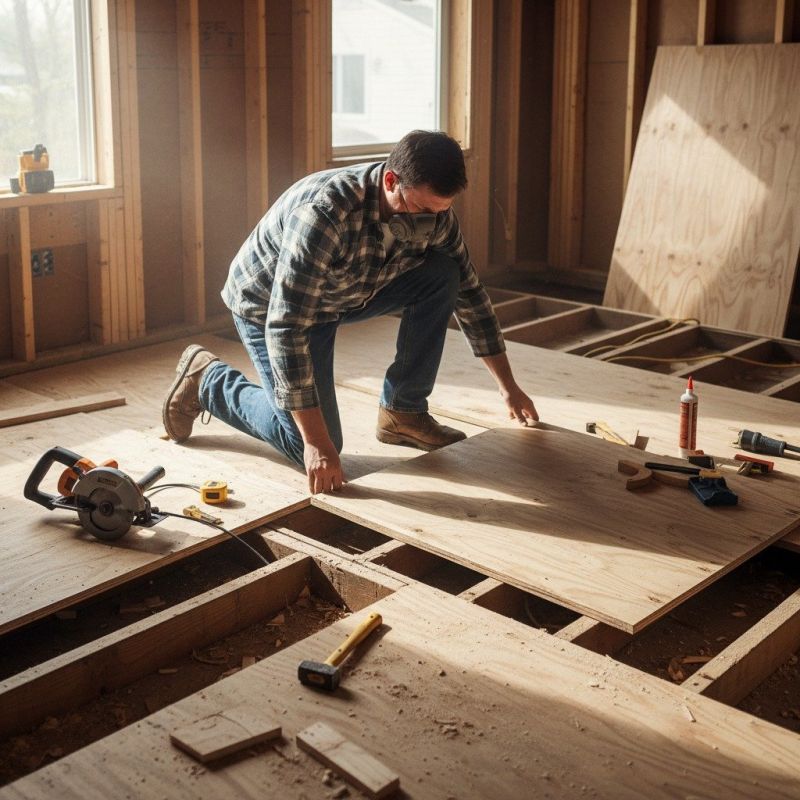
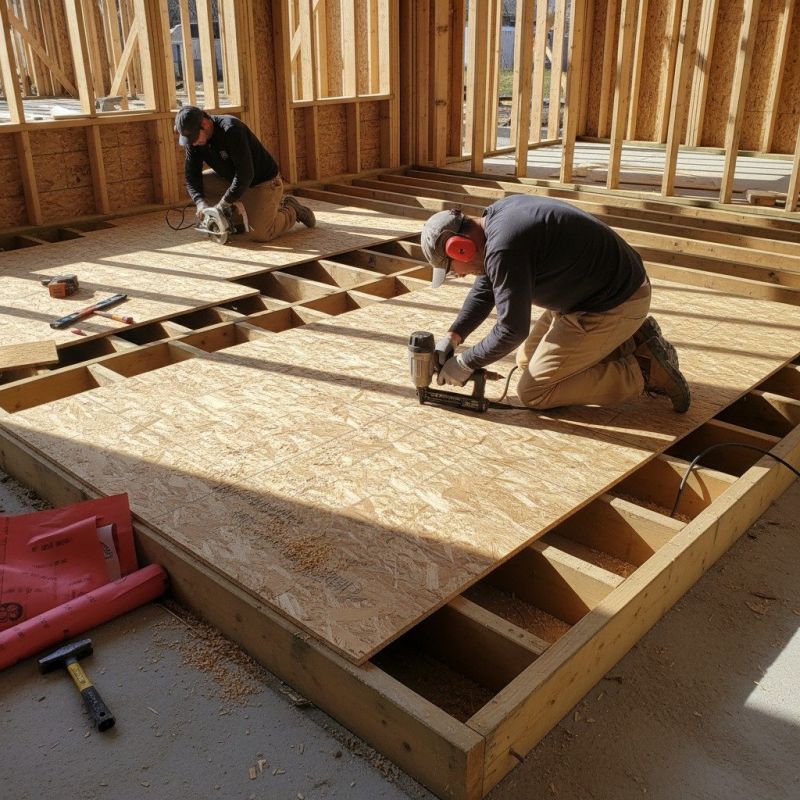
What is subfloor installation? Subfloor installation involves laying a supportive base beneath the finished flooring to ensure stability and durability in a property.
What types of flooring require a subfloor? Most flooring types, including hardwood, laminate, tile, and vinyl, benefit from a properly installed subfloor for proper support and longevity.
Why is proper subfloor installation important? Correct installation prevents issues like uneven surfaces, squeaking, and damage to the finished flooring over time.
What are common subfloor materials used? Common materials include plywood, oriented strand board (OSB), and concrete, depending on the project and existing structure.
Request Subfloor Installation in Wilmington, NC
Use the quote form on this page to share the basics of your project and request more information for the type of work you need.